Corrosion in FTTH hardware: why material choice matters in coastal zones of Peru
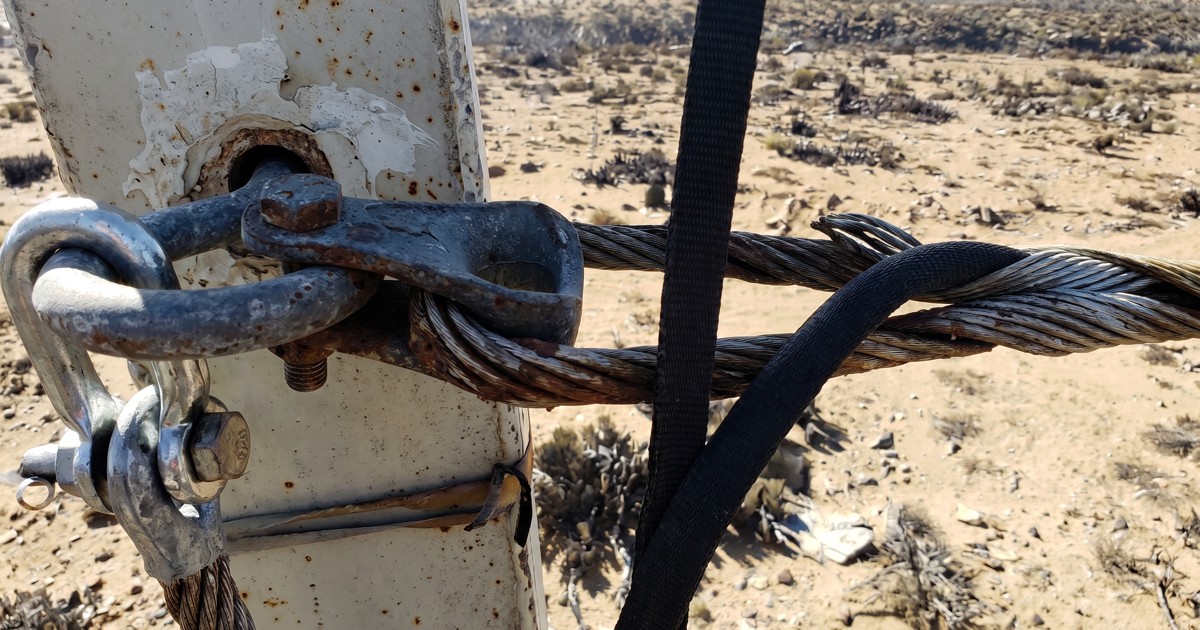
A well-designed, properly installed FTTH network can experience outside plant failures in under 3 years. Not because of the cable, not the splice, not the splitter, but because of the hardware.
On the Peruvian coast, the saline environment is unforgiving to inadequate materials. The zinc coating that protects galvanized steel degrades in salt-laden humidity at a rate that designers from inland regions do not anticipate. Once the coating fails, the steel oxidizes, loses mechanical strength, and the hardware becomes the weakest link in the entire installation.
This guide explains how corrosion works in outside plant, which zones of Peru pose the greatest risk, and how to specify the right materials from the design stage.
How corrosion works in outside plant
Corrosion is an electrochemical reaction between metal, oxygen, and water. Under normal conditions, galvanized steel (zinc-coated steel) is protected because the zinc acts as a sacrificial anode: it oxidizes first, shielding the underlying steel.
The problem in coastal zones is ambient salinity. Sodium chloride present in marine air acts as an electrolyte, accelerating the electrochemical reaction. In areas with high ambient salinity, zinc is consumed at a rate 5 to 10 times faster than in dry inland zones.
Once the zinc is depleted, the steel is exposed. Steel oxidation is not just cosmetic: it reduces the material's cross-section, decreases its tensile strength, and in hardware under constant load (clamps, messenger wire, CTO brackets), it can cause a structural failure without prior warning.
High-risk zones in Peru
Not all of Peru's coastline is the same. The risk of accelerated corrosion depends on distance from the sea, direction and intensity of coastal winds, temperature, and relative humidity.
Very high risk
- Callao, Ventanilla: Active port, constant marine wind, elevated salt-laden humidity year-round
- Piura, Paita, Sechura: Desert zone with Pacific winds, high airborne salt concentration
- Trujillo, Huanchaco: Northern coast, warmer temperatures than Lima, higher corrosion activity
- Ilo, Matarani: Southern ports, industrial activity that adds pollutants to the environment
High risk
- Lima (coastal districts): Miraflores, San Isidro, Barranco, La Punta, Chorrillos: less than 2 km from the sea
- Chimbote: Presence of fishing and industrial activity that increases airborne corrosives
- Pisco, Ica (coastal area): Lower than the north but significant for long-life-span components
Moderate risk
- Lima (inland districts): San Juan de Lurigancho, Villa El Salvador, Ate: the saline environment arrives attenuated
- Southern coastal zone: Coastal Arequipa (Mollendo), Tacna
Low risk
- Highlands more than 100 km from the coast: Cusco, Puno, Junin, Huancayo: the dominant climatic factor is temperature, not salinity
- Jungle: High humidity, but no marine salt. The risk is conventional oxidation, not chloride-accelerated corrosion
Comparative service life: galvanized vs. stainless steel in coastal zones
This is the reality many designers discover too late:
| Material | Inland zone (highlands/jungle) | High-risk coastal zone | Very-high-risk coastal zone |
|---|---|---|---|
| Standard galvanized steel | 15-20 years | 4-7 years | 2-3 years |
| HD galvanized steel (heavy zinc) | 20-25 years | 8-12 years | 5-8 years |
| 304 stainless steel | >30 years | >20 years | 15-25 years |
| 316 stainless steel | >30 years | >25 years | >20 years |
These values are estimates based on typical conditions. Actual service life depends on the hardware geometry, the applied mechanical stress, and site-specific conditions.
Stainless steel does not rust under these conditions because its composition includes chromium (minimum 10.5%), which forms a self-repairing chromium oxide layer on the surface when damaged. No external coating is required.
Which hardware to specify by zone
Very-high-risk coastal zone (less than 500 m from the sea)
| Hardware | Correct specification |
|---|---|
| Banding strap + buckle | 304 or 316 stainless steel, mandatory |
| Suspension clamps | Stainless steel or HD galvanized |
| Anchor hardware (clevis, preformed) | Stainless steel or HD galvanized |
| CTO/splice closure bracket | Stainless steel or marine epoxy coated |
| Bolts and screws | Stainless steel, mandatory |
| Messenger wire | Class B/C galvanized (heavy zinc) |
| Drop clamp | UV-stabilized polymer with anti-salt additives (specify with manufacturer) |
High-risk coastal zone (500 m to 2 km from the sea)
| Hardware | Correct specification |
|---|---|
| Banding strap + buckle | Stainless steel (highly recommended) |
| Suspension clamps | HD galvanized or stainless steel |
| Anchor hardware | HD galvanized |
| CTO/splice closure bracket | HD galvanized or stainless steel |
| Bolts and screws | Stainless steel or HD galvanized |
| Messenger wire | Standard galvanized (with year-5 inspection) |
Inland, highland, and jungle zones
Standard galvanized on all components. Condition inspection at year 10.
The true cost of incorrect specification
The most common argument for choosing standard galvanized hardware on the coast is price. The cost difference between galvanized and stainless steel hardware can range from 40% to 120%, depending on the type.
But the correct calculation does not compare the unit price of the hardware; it compares the total cost of ownership:
Scenario A: Galvanized hardware in a high-risk coastal zone:
- Initial cost: low
- First corrosion-related incident: year 3-4
- Cost of intervention: field crew, aerial access, hardware replacement, verification of affected splices, possible service interruption
- Replacement cycle: every 4-5 years
Scenario B: Stainless steel hardware:
- Initial cost: 60-80% higher than galvanized
- First corrosion-related intervention: year 15-20 (if any)
- Cost of intervention: near zero for the first 10 years
In a distribution network with 200 FATs installed in a coastal zone, the cost differential of stainless steel hardware is recovered in the first avoided maintenance cycle. The math is straightforward; the problem is that the first intervention occurs 3 years after the project was delivered, when it is already difficult to assign responsibility.
Stainless 304 vs. 316: when does the difference matter?
Both are austenitic stainless steels, but 316 includes molybdenum (2-3%), which significantly improves resistance to chlorides.
Use 304 stainless steel in:
- High-risk coastal zones (more than 500 m from the sea)
- Inland zones where a service life exceeding 20 years is desired
Use 316 stainless steel in:
- Very-high-risk coastal zones (less than 500 m from the sea)
- Environments with additional industrial chlorine exposure (industrial zones, water treatment plants)
- Installations where maintenance access is very difficult (height, remote areas)
For most FTTH installations on the Peruvian coast, 304 is sufficient. 316 is justified in critical installations or zones with extreme exposure.
How to inspect the condition of existing hardware
If you have an existing network installed in a coastal zone and want to assess the condition of the hardware, use this visual inspection guide:
Green / White haze on the zinc surface: Superficial zinc oxidation (white rust). This is normal in the early stages and does not indicate failure. The zinc is still active.
Brown or orange stains: Appearance of iron oxide (rust). The zinc has been depleted in that area and the base steel is exposed. Intervention recommended within the next 6-12 months.
Cracks, flaking, or material loss: The hardware has lost load-bearing cross-section. Immediate replacement: do not wait.
Bolts and screws with heads rounded by oxidation: They cannot be loosened without breaking them. Future maintenance will require cutting. Replace preventively.
Stock available in Peru
Stainless steel hardware for FTTH outside plant (banding strap + buckle, clamps, CTO brackets, preformed ties) is available in stock in Peru for immediate delivery.
If you have a project in a coastal zone and need guidance on what to specify:
+51 999 000 361 · +51 990 983 671
monstertek.net/contact
References
- ISO 1461:2022, Hot dip galvanized coatings on fabricated iron and steel articles
- ASTM A-123, Standard specification for zinc coatings on iron and steel products
- ASTM A-475, Standard specification for zinc-coated steel wire strand
- OSIPTEL, Telecommunications infrastructure in Peru
Related articles
Need corrosion-resistant hardware?
Tell us what you need and a specialist will contact you with availability, lead times, and pricing.
Talk to a specialist →